Creatine gummies vs. powder
Same molecule, very different economics. The decision comes down to one honest question about yourself, and we will get to it in about ninety seconds.
Your decision in a minute
Pay for convenience only if it matters to you
Start with powder if you can mix it consistently and prioritize cost or fewer ingredients. Compare gummies or single-serve powder if carrying or mixing is a barrier. A convenient format may fit your routine; it is not proof of better absorption, adherence or performance.
Source-linked editorial comparison by Henry Nguyen. We may earn a commission from Create links. Our relationship · Evidence standards.
Affiliate disclosure: GummyGains is reader-supported. If you buy through a link on this page we may earn a commission at no extra cost to you. It does not change which products we cover or what we say about them. Full policy.
Short answer. Powder wins on cost, dose accuracy and shelf stability — it is not close. Gummies offer a chewable format without mixing; we have not measured whether they increase daily adherence. If mixing is a barrier, compare convenience against the extra cost and ingredients. If you already use powder consistently, the gummy premium may add little value.
Cost, laid out honestly
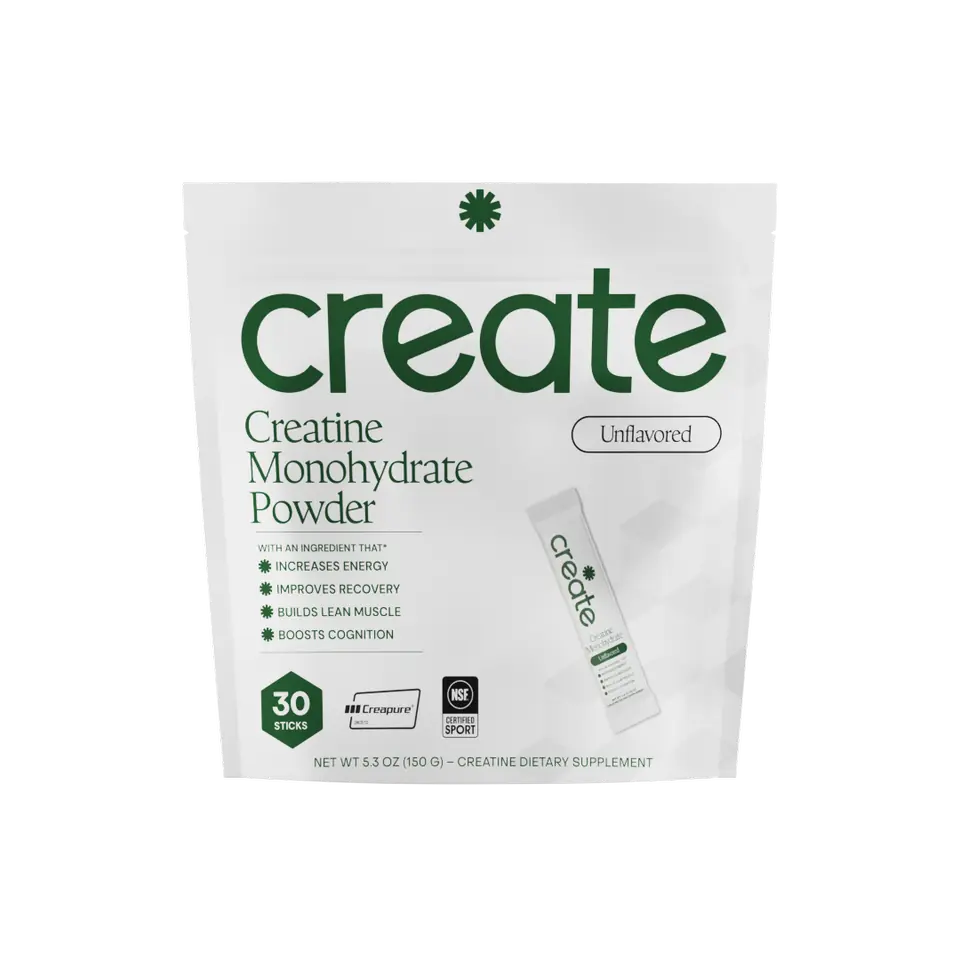
The creatine itself is not what costs money — raw creatine monohydrate is one of the cheapest effective ingredients in the industry. What you are paying for in a gummy is manufacturing: flavour systems, gelling agents, moulding, and the anti-melting work needed to keep the thing from turning into a puddle in a hot delivery van.
That is a real cost. It is just worth being clear-eyed that it buys convenience, not potency.
Everything else, side by side
← swipe the table →
| Powder | Gummies | |
|---|---|---|
| Creatine per serving | 5 g in one scoop | 0.8–1.5 g per gummy; 3–8 gummies for a full dose |
| Cost per 5 g dose | ~$0.15–0.50 | ~$1.10–2.20 |
| Added sugar | None unflavoured | 2–18 g across a full serving, brand dependent |
| Dose accuracy | Precise with a scoop | Easy to underdose by eating too few |
| Shelf stability | Chemically stable for years when sealed and dry | Degrades toward creatinine; made with water and heat |
| Independent testing record | All 5 powders in the SuppCo round passed | 4 of 6 failed in the same round |
| Travel and convenience | Needs liquid and a scoop | Excellent — pocketable, no mixing |
| Taste friction | Chalky, gritty for some people | The main reason people stay consistent |
The stability problem is real, and it is specific to gummies
This is not a theoretical concern. In independent testing, every gummy that failed its label claim showed elevated creatinine — the signature of creatine that has already broken down. Sealed powder has no such pathway. If you want a format you can buy once and forget about for a year, powder is the answer.
So which should you buy?
Buy powder if you already take it without complaint, you want the lowest cost per gram, you want dosing you cannot get wrong, or you are supplementing long-term and the annual cost difference matters.
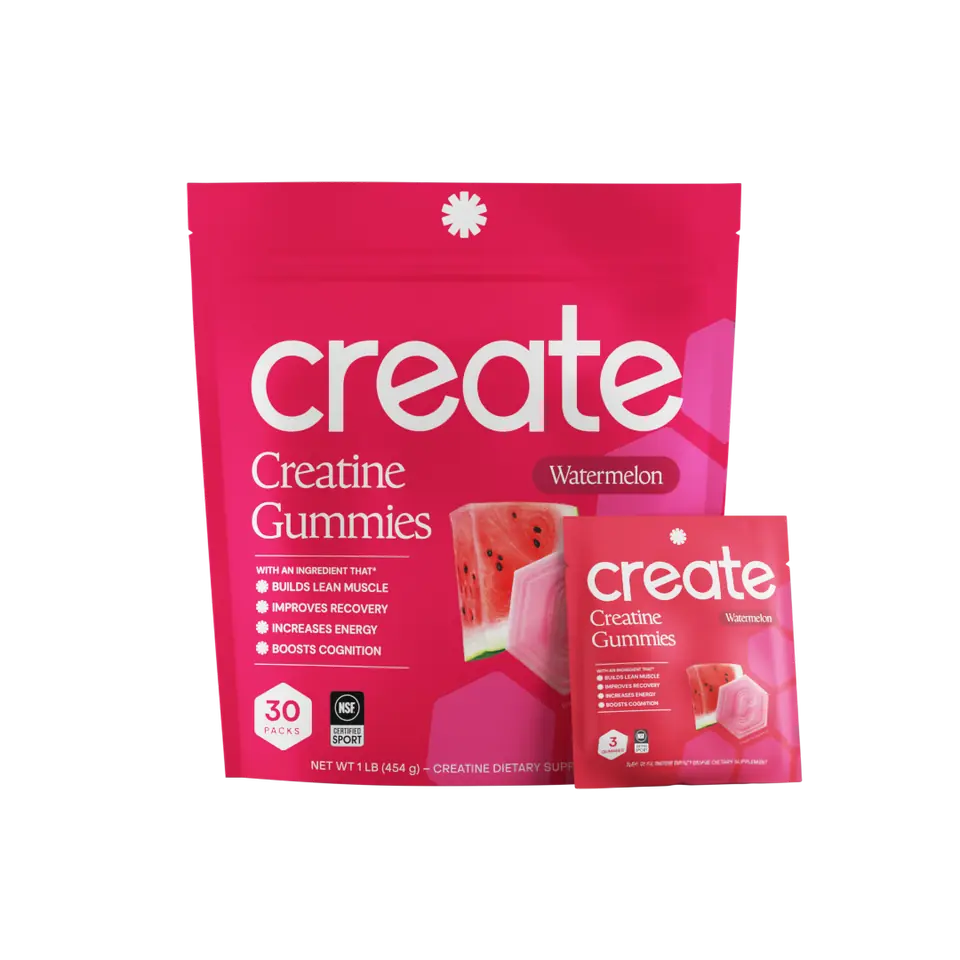
Buy gummies if you have honestly tried powder and the taste or the mixing is the reason your streak keeps breaking — and only from a brand with verifiable third-party testing, because the base rate of failure in this category is high.
The supplement you actually take beats the optimal one you do not. That is the entire argument for gummies, and it is a good one for the right person.
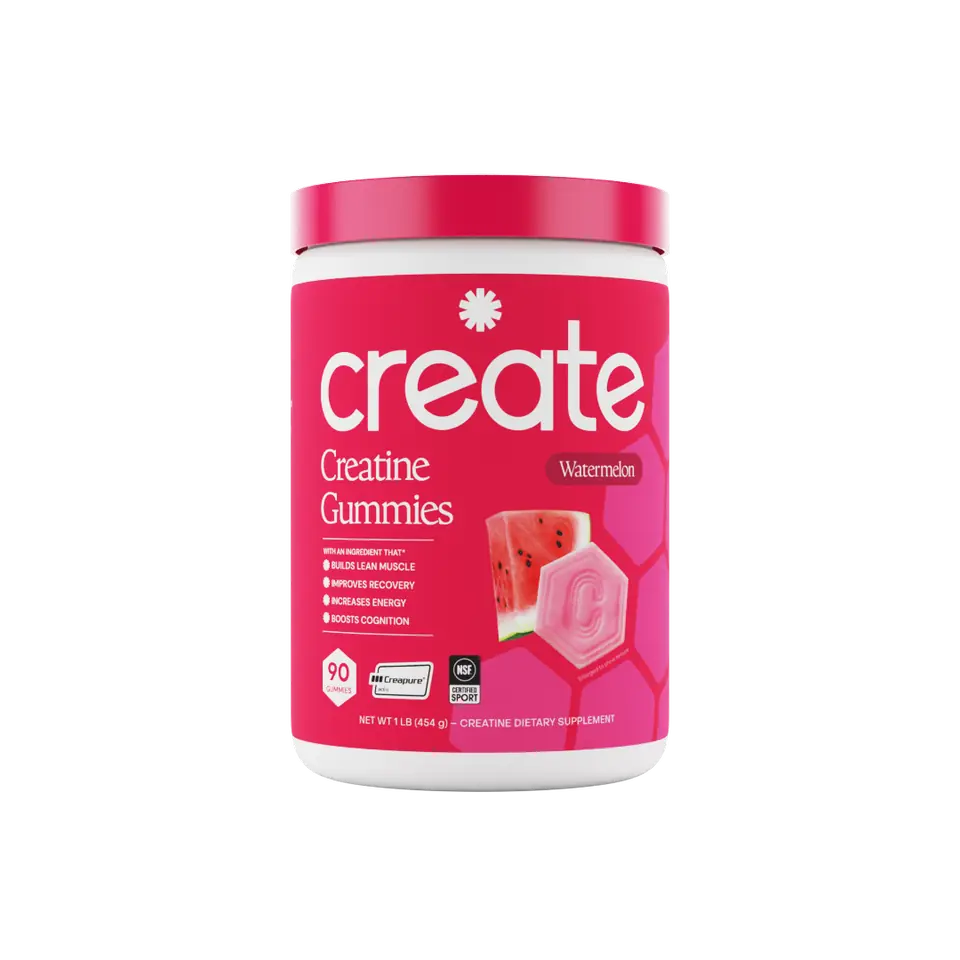
If that is you. Create is the gummy we can back with an actual paper trail — NSF Certified for Sport, and an independent ISO 17025 lab measured 4.59 g against its 4.5 g claim. If cost per gram is what you took from this page instead, buy the powder. We would rather you did than buy a gummy you did not need.
Get 20% off at Create →Create’s referral page advertises 20% off · Choose flavor, pack and purchase option; confirm the discount and terms in the cart · We may earn a commission
Common questions
Are creatine gummies as effective as powder?
The creatine itself is identical and absorbs the same way. Effectiveness only diverges on two practical points: whether the gummy actually contains its labelled dose, and whether you eat enough pieces to reach 3–5 g. Get both right and the format is irrelevant.
How much more expensive are creatine gummies?
Roughly 3–8x per gram. Bulk powder runs about $0.15–0.30 per 5 g dose; well-priced gummies land around $1.10–1.70 and premium ones exceed $2. Over a year of daily use that difference is several hundred dollars.
How much sugar is in creatine gummies?
Anywhere from 0.5 g to 3 g per gummy. Because a serving is often 3–8 gummies, the realistic range for a full dose can reach 2 g to 18 g of added sugar per day. Read the full serving panel rather than the per-gummy number.
Should I switch from powder to gummies?
Only if powder is the reason you keep skipping days. Creatine works through daily accumulation over weeks, so consistency beats format optimisation. If you take powder without friction, switching costs you money and dose precision for nothing.
Research sources. Kreider et al., ISSN position stand on creatine safety and efficacy (J Int Soc Sports Nutr, 2017): 3–5 g a day is effective and safe in healthy people; loading is optional; Pereira et al., Effects of creatine monohydrate gummies on performance and body composition in female beach volleyball athletes (J Funct Morphol Kinesiol, 2026): 5 g a day from gummies improved jump and agility; small, no placebo; Uzzan et al., Effect of water activity and temperature on the stability of creatine during storage (Drug Dev Ind Pharm, 2009): creatine breaks down faster with more water and heat.
Content review. Reviewed and approved by Henry Nguyen, founder of GummyGains, on October 29, 2026, against the research sources above. He is not a doctor or dietitian; ask a qualified healthcare provider about your own situation.
This article is for information only and is not medical advice. Talk to a qualified healthcare provider before starting any supplement.
Current buying guide: If convenience wins for your routine, compare the two gummies that cleared our current checks. See the best creatine gummies in 2026 →